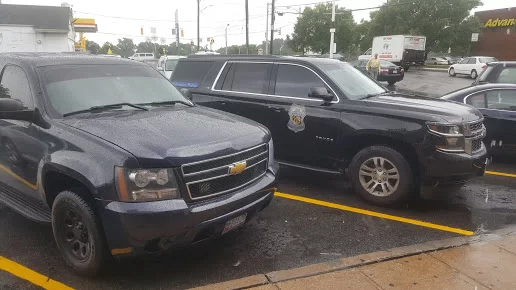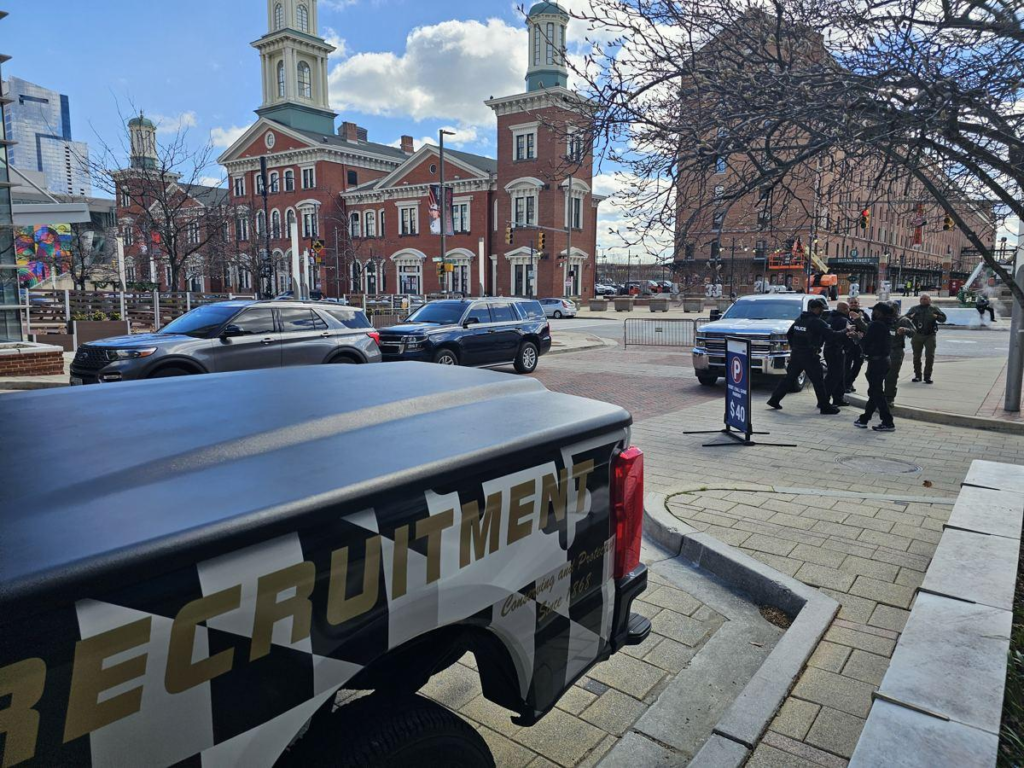
When it comes to safeguarding high-profile clients, not every security professional is equipped for the task. Executive protection demands more than just vigilance; it requires advanced tactical expertise, quick decision-making, and an ability to operate under intense pressure. This is where the advantages of SWAT training become clear. Officers who have undergone this rigorous preparation are uniquely positioned to deliver the highest level of security, making them a natural fit for executive protection roles.
Advanced Tactical Preparedness
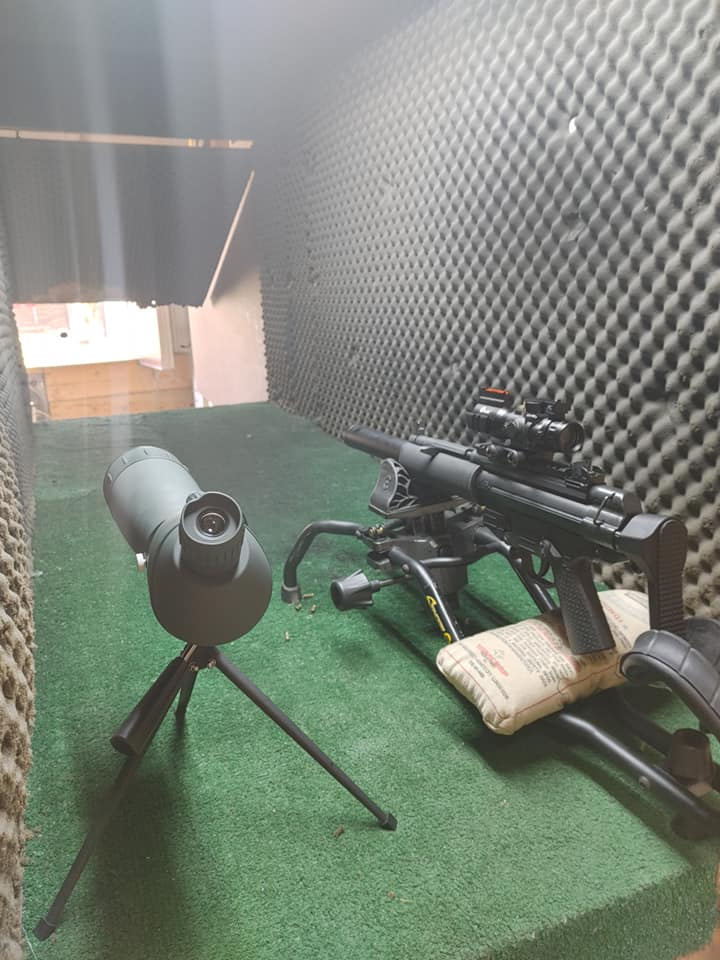
SWAT-trained officers are accustomed to dealing with high-risk environments. Their training covers tactical entry, hostage rescue, and active threat neutralization. These skills translate directly into the executive protection field, where anticipating and diffusing potential dangers is a daily responsibility. Whether escorting a client through a crowded event or ensuring the security of a residence, SWAT officers apply their advanced knowledge to keep clients safe without creating unnecessary disruption.
Discipline and Stress Management
Executive protection often involves long hours, unpredictable schedules, and high-stakes scenarios. SWAT training instills discipline and mental resilience, ensuring officers remain calm under pressure. This ability to stay composed and focused in challenging environments helps them make swift, effective decisions that minimize risks. Clients benefit from a professional presence that radiates control and confidence, providing both physical safety and peace of mind.
Expertise in Threat Assessment
SWAT-trained officers excel at identifying potential threats before they escalate. Their background includes detailed instruction on situational awareness, surveillance detection, and risk assessment. In executive protection, this skill is invaluable. By recognizing early warning signs, these officers can proactively adjust security strategies, re-route travel plans, or enhance protective measures to neutralize risks before they impact the client.
Teamwork and Coordination
In both SWAT operations and executive protection, success depends heavily on teamwork. Officers trained in SWAT units are skilled at coordinating with multiple team members to execute complex strategies. This collaborative approach ensures seamless protection when working with other security professionals, drivers, or event staff. It also enhances communication, allowing swift responses to dynamic situations without confusion or delay.
Advanced Firearms and Defensive Skills
While executive protection is not always about engaging in combat, it is critical to have a protector capable of defending clients if a worst-case scenario arises. SWAT-trained officers receive extensive firearms and defensive tactics instruction, ensuring they are not only prepared to act but also proficient in minimizing collateral risks. Their emphasis on precision and control ensures that any defensive action prioritizes the client’s safety above all.
Adaptability in Diverse Environments
Executives often travel across cities, states, or countries, requiring protection in varied settings. SWAT officers are accustomed to adapting quickly, whether in urban environments, public gatherings, or high-security facilities. Their ability to adjust security strategies based on context ensures consistent protection, no matter the circumstances or location.
Enjoy Professional and Diligent Executive Protection from Operational Police Protective Services’ SWAT Trained Officers
Trust Operational Police Protective Services for unmatched security. Our security professionals with SWAT training provide reliable protective services across Maryland to ensure our clients’ safety in the best way possible. Contact us now to learn more about our armed security services.