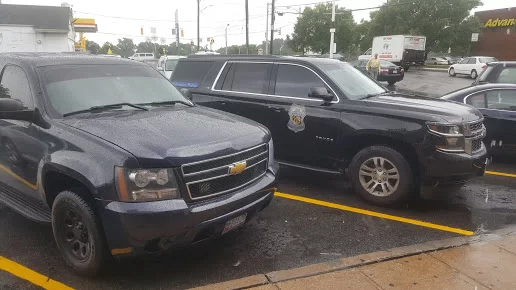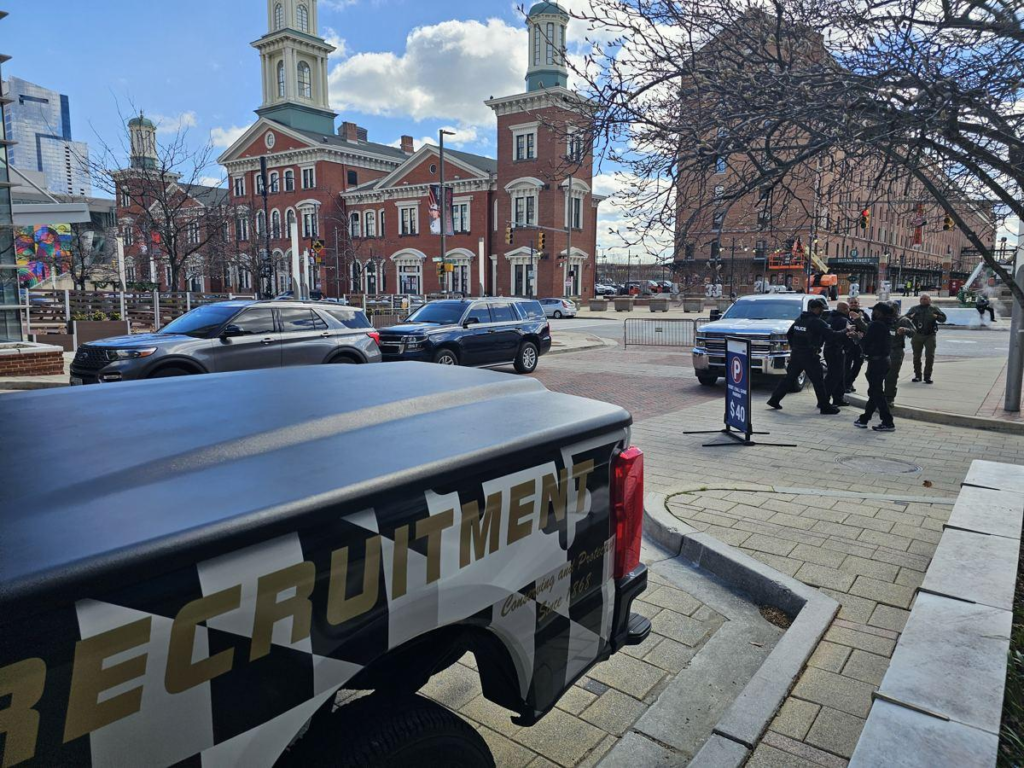
Some properties carry a risk profile that unarmed patrols simply weren’t built to handle. Ports, rail yards, fuel terminals, and industrial sites with high-value cargo or hazardous materials call for armed security guards trained specifically for that environment, not a generalist guard reassigned from a retail contract.
What Makes a Facility ‘High-Risk’
A high-risk facility isn’t defined by a single factor. It’s usually some combination of high-value inventory, hazardous materials on site, restricted or federally regulated access, and a location that draws less foot traffic and fewer eyes than a typical commercial property, which makes an incident both more likely to happen and slower to get noticed.
Insurance carriers, regulators, and corporate risk teams often use slightly different definitions of what qualifies as high-risk, but the practical test is simple: if a security failure at this property could mean significant financial loss, environmental harm, or a safety incident affecting the public, the facility belongs in this category regardless of what any single checklist says.
Ports, rail yards, fuel and chemical storage sites, distribution hubs, and utility infrastructure all fall into this category. Each comes with its own regulatory framework and its own specific vulnerabilities, which is exactly why a generic guard contract rarely fits a property like this.
Scale compounds the risk further. A high-risk facility is often measured in acres rather than square footage, with multiple entry points, active vehicle and equipment traffic, and sections of the property that see almost no foot traffic at all during a normal shift. That combination of scale and value is exactly what makes these sites attractive targets in the first place.
Why Some Properties Need Armed Coverage
An unarmed guard can observe, document, and call for backup, but that response model assumes there’s time to wait for police to arrive. On a large industrial site or a remote stretch of port property, that response time can stretch well past what an active incident allows for, which is the core argument for staffing an armed officer in the first place.
Armed coverage isn’t about escalating a facility’s posture unnecessarily. It’s about matching the response capability to the actual risk, so that a property with genuine exposure to theft, sabotage, or violence has someone on site capable of an immediate, appropriate response rather than a delayed one.
Insurance underwriters increasingly factor this into how they price commercial policies for high-value or hazardous sites. A documented armed security presence, paired with a clear use-of-force policy and regular training records, can meaningfully affect a facility’s premium, since it demonstrates the property is actively managing a risk the insurer would otherwise be pricing blind.
Licensing, Training, and Regulatory Requirements
Armed guards in Maryland and Virginia operate under state licensing requirements that go well beyond a standard unarmed guard card, including firearms qualification, use-of-force training, and ongoing recertification. A provider who can’t clearly explain how officers are licensed and requalified isn’t a provider a high-risk facility should be working with.
Facilities with federal oversight, such as ports regulated under maritime security rules, add another layer of compliance on top of state licensing. An officer working a port assignment needs to understand those specific access and credentialing requirements, not just general armed-guard standards, before ever being placed on site.
Recertification schedules matter as much as initial licensing. Firearms qualification, use-of-force policy review, and site-specific training should all run on a documented cadence, not a one-time requirement checked off during onboarding and never revisited. A facility manager is well within reason to ask a provider for those records directly rather than taking compliance on faith.
Staffing Ports, Rail Yards, and Cargo Facilities
Cargo-heavy sites present a different set of problems than a typical commercial property. Perimeter fencing spans much greater distances, vehicle and container traffic never fully stops, and a single blind spot in coverage can mean a significant loss before anyone notices. Staffing has to account for that scale, not just the square footage on a floor plan.
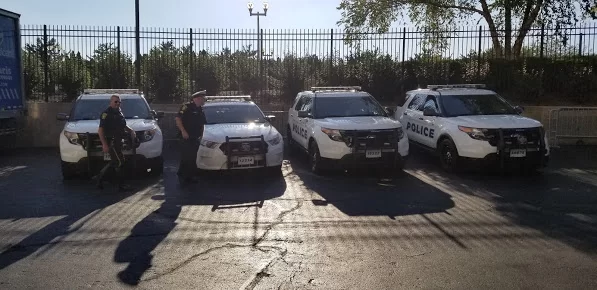
Multi-vehicle patrols, staggered shift coverage, and coordination with facility security staff and, where applicable, port authority police, all factor into a staffing plan built for a site this size. A single roaming officer is rarely enough once a property’s perimeter stretches past what one person can realistically monitor.
Access Control at Industrial and Restricted Sites
Restricting who gets past a facility’s perimeter is often the single highest-value control available. A documented credentialing process, consistent enforcement at every gate, and a clear escalation procedure for anyone without proper authorization all reduce a facility’s exposure more than almost any other single measure.
Vendors, delivery drivers, and contractors moving through a restricted site create the same unescorted-access risk seen at any commercial property, just with higher stakes attached. A facility handling hazardous materials or high-value cargo can’t afford the same casual visitor policy a typical office building gets away with.
Badge and credential systems also need a clear offboarding process. A former employee or contractor whose access was never formally revoked is one of the most common ways an unauthorized person ends up back on a restricted site, and it’s a gap that costs nothing to fix once someone is actually responsible for closing it.
Common Vulnerabilities at High-Risk Sites
The same handful of gaps show up repeatedly during walkthroughs of industrial and cargo properties. Fence lines that haven’t been inspected in years, gates left propped open during shift changes for convenience, and camera coverage that stops short of the property’s actual perimeter all give an intruder an opening that a documented protocol would have closed.
Poor lighting in yard and storage areas is another recurring finding, particularly at sites that expanded over time without security keeping pace with the added square footage. A section of property added five years after the original build often ends up as a genuine blind spot, invisible to both cameras and patrol routes until an assessment specifically flags it.
What Armed Security Typically Costs for a Facility This Size
Pricing for high-risk facility coverage depends heavily on headcount, hours, and whether the contract includes K9 support, vehicle patrols, or escort services on top of fixed-post coverage. A single-officer overnight post costs a fraction of a multi-vehicle, round-the-clock detail covering a large port or rail property.
Facility managers comparing quotes should look past the hourly rate to the actual staffing plan behind it. A lower rate covering fewer patrol hours, less overnight staffing, or no K9 support isn’t a better deal; it’s a different, thinner scope of coverage that may not match what the site’s risk profile actually calls for.
Coordinating Escort and Transport Security
Some high-risk facilities need coverage that moves with the cargo rather than staying fixed at the property line. Escort details for high-value shipments, branded vehicle coverage for equipment transport, and coordination between a facility’s fixed security team and a mobile escort all fall under the same umbrella once cargo actually leaves the gate.
Route planning matters here just as much as it does on a facility’s own property. An escort team that hasn’t scouted the route in advance can’t account for a closed road, a construction detour, or a stretch of highway with poor cell coverage, and any one of those can turn a routine transport into an unplanned delay sitting exposed on the shoulder.
Emergency Response and Tactical Readiness
A facility’s emergency plan is only as good as the team executing it. Officers assigned to high-risk sites need to drill on facility-specific response scenarios, not generic active-threat training, since the layout of a chemical storage yard or a rail terminal changes what an effective response actually looks like compared to a standard office building.
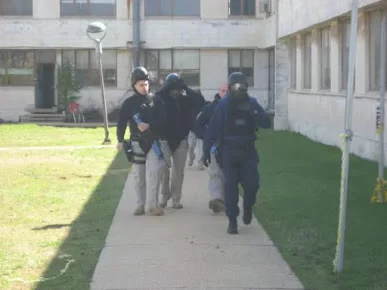
Standards from ASIS International emphasize site-specific tactical planning as a baseline requirement for any facility handling elevated risk, not an optional upgrade reserved for the largest properties. A response plan built around a template rather than the actual site rarely holds up when it’s tested for real.
Airport, Aviation, and Specialized Site Coverage
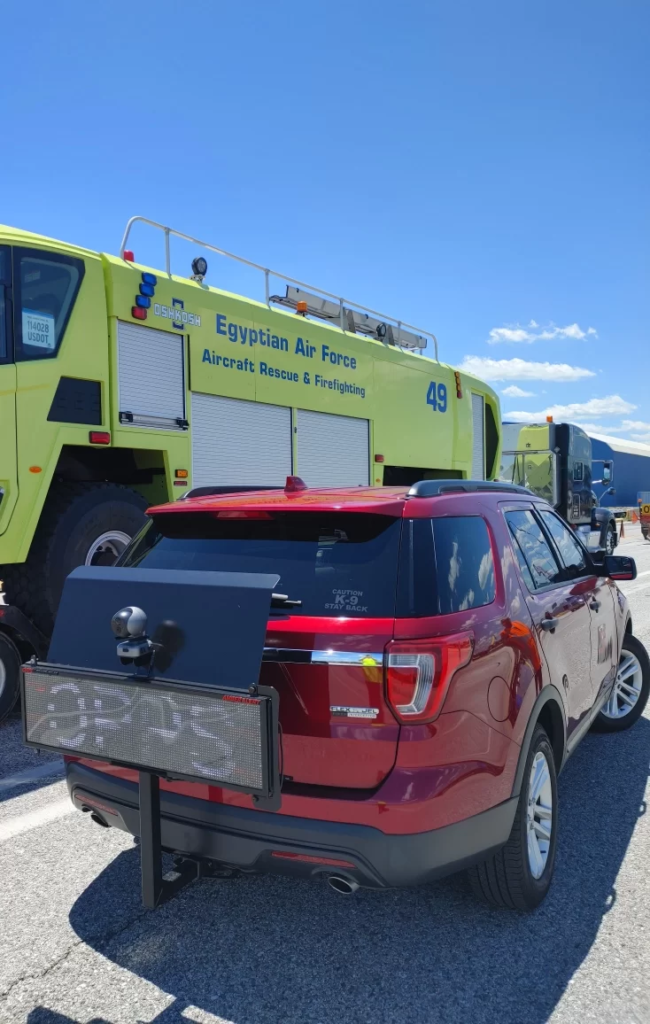
Some of the highest-risk assignments involve aviation-adjacent facilities, where a security team may work alongside firefighting, rescue, and airfield operations personnel as part of a coordinated site presence. That kind of environment calls for officers comfortable working around active aircraft and heavy equipment, not just a standard perimeter patrol.
Night and Overnight Coverage for Industrial Sites
Most incidents at industrial and cargo facilities happen during the hours when a site is least staffed and least visible. Overnight coverage isn’t a smaller version of a daytime patrol; it’s a different set of risks entirely, and a facility that treats it that way builds staffing and equipment plans specifically for reduced visibility and reduced backup response times.
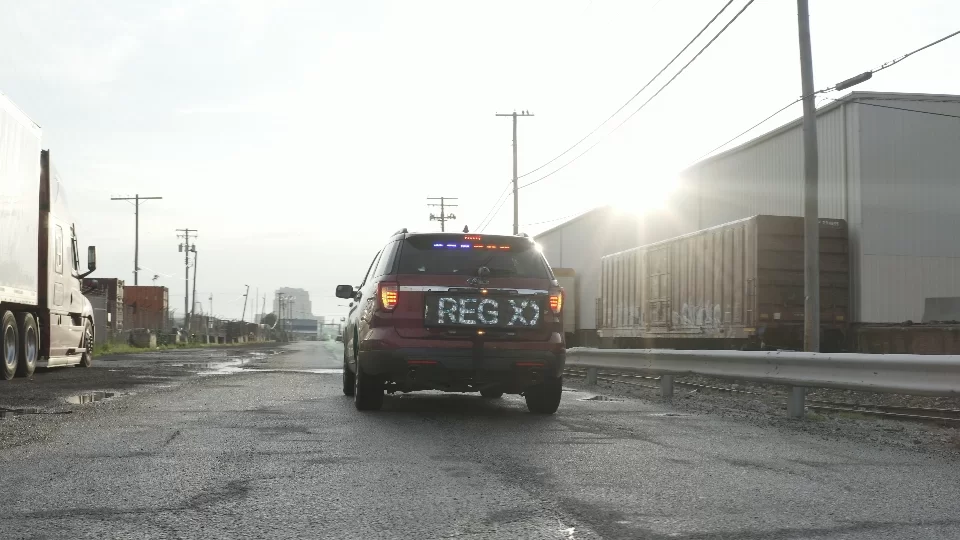
Thermal-capable cameras, well-lit checkpoints, and officers specifically trained for low-visibility patrol conditions all matter more once the sun goes down, and a provider who hasn’t planned for that shift is leaving a facility’s highest-risk hours the least protected.
Shift handoffs deserve their own attention. An overnight officer who found something worth flagging needs a reliable way to pass that information to the incoming day shift, whether that’s a formal log, a radio briefing, or a shared incident system, since a detail that isn’t documented and communicated might as well not have been caught at all.
What to Look for in a High-Risk Facility Security Provider
Ask how officers are licensed and requalified for armed duty, how the provider staffs overnight and weekend shifts, and whether the team has direct experience with a site of comparable scale and risk. A provider with a strong track record on retail properties doesn’t automatically translate that experience to a fuel terminal or a rail yard.
It’s also worth asking how a provider handles coordination with outside agencies. A facility near a port or airport may need to work with federal or port authority police on a regular basis, and a security provider who already has those relationships in place saves a facility from building that coordination from scratch during an actual incident.
Finally, ask how quickly a provider can scale coverage up in response to a specific threat or a temporary change in risk, such as a labor dispute, a planned protest nearby, or a sudden increase in reported activity in the surrounding area. A provider who can only offer the same fixed staffing plan regardless of circumstances isn’t equipped to manage risk that changes week to week, which is exactly the kind of risk a high-risk facility deals with most often.
Protect Your High-Risk Facility With OPPS
A facility carrying real exposure to theft, sabotage, or violence needs a provider who treats that risk seriously from the first walkthrough. We staff armed security details for ports, industrial sites, and cargo facilities across Maryland and Virginia, pairing licensed, trained officers with K9 security support and access control built for the specific site, backed by the same licensed security company standards behind every detail we staff.
Contact us to schedule a facility walkthrough, or see the full range of services from Operational Police Protective Services.