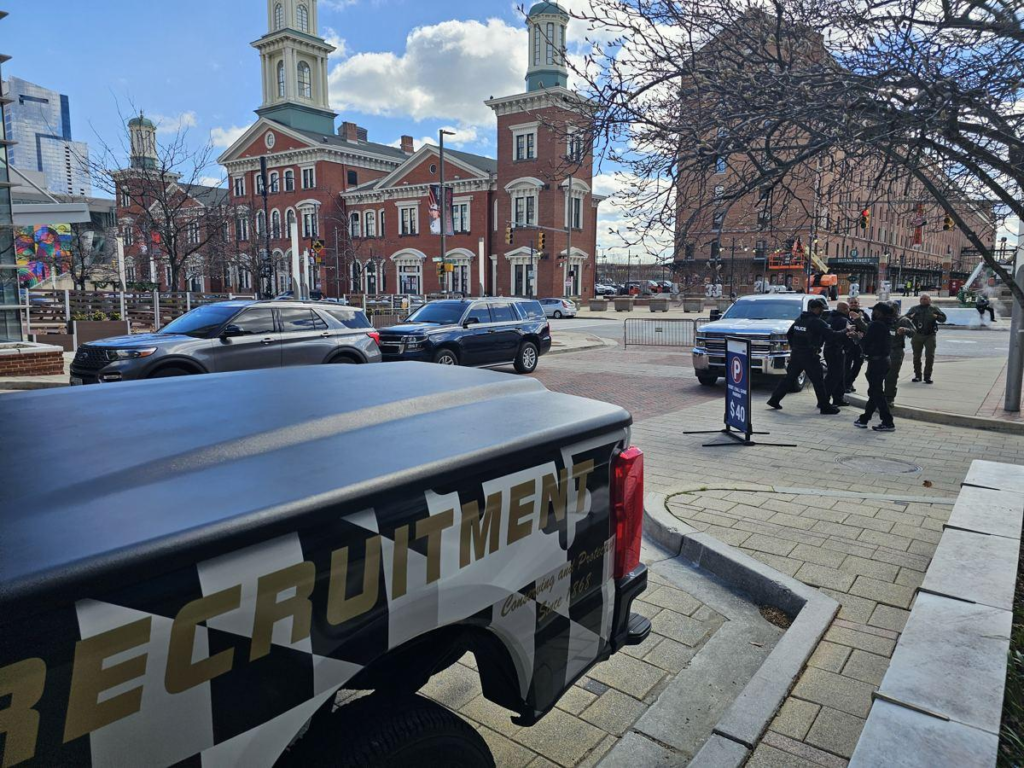
Brand reputation is one of the most valuable assets a company can possess. It shapes consumer perceptions, influences purchasing decisions, and drives long-term success.
While factors such as product quality, customer service, and marketing strategies are often highlighted in building a brand’s reputation, the role of security is equally critical yet sometimes overlooked. A strong security presence not only protects a company’s physical and digital assets but also enhances its reputation for trustworthiness and reliability.
Building Trust Through Security
Trust is the cornerstone of any successful brand. Consumers need to feel confident that the businesses they engage with will safeguard their interests, whether it’s protecting personal information, ensuring physical safety, or delivering consistent service. A strong security presence signals to customers that a company takes their safety seriously, fostering trust and loyalty.
For instance, in retail environments, visible security measures like surveillance cameras, uniformed guards, and secure payment systems reassure customers that their shopping experience will be safe. This not only deters potential criminal activity but also instills a sense of security among patrons, encouraging them to return. Similarly, in the digital realm, robust cybersecurity protocols, such as encryption and two-factor authentication, demonstrate a commitment to protecting customer data, which is crucial in an age where data breaches are becoming increasingly common.
Enhancing Reliability
Reliability is another key component of brand reputation. A business that consistently delivers on its promises and provides a safe environment for its customers and employees is more likely to be viewed as reliable. Security plays a pivotal role in this by ensuring that operations run smoothly and that disruptions caused by security breaches or threats are minimized.
For example, businesses that invest in comprehensive security systems are better equipped to prevent and respond to incidents, reducing downtime and maintaining continuity. This reliability is particularly important in sectors such as finance, healthcare, and e-commerce, where security breaches can have severe consequences. When customers know they can rely on a business to protect their interests, they are more likely to remain loyal and even advocate for the brand.
The Role of Security in Corporate Social Responsibility
In addition to building trust and enhancing reliability, a strong security presence contributes to a company’s corporate social responsibility (CSR) efforts. CSR is increasingly important to consumers, who expect companies to operate ethically and contribute positively to society. By prioritizing security, businesses demonstrate their commitment to protecting not just their assets but also the well-being of their customers, employees, and the community.
For example, companies that implement stringent security measures in their supply chains are not only protecting their operations but also ensuring that their products are safe for consumers. This can be particularly important in industries such as food and pharmaceuticals, where product safety is directly linked to consumer health. By prioritizing security, businesses can position themselves as responsible corporate citizens, further enhancing their brand reputation.

For businesses looking to strengthen their brand reputation through enhanced security, partnering with a trusted provider is essential in Maryland, Delaware, and Virginia. At Operational Police Protective Services, we offer a comprehensive range of protective services, including armed security and off-duty police, tailored to meet your specific needs. With our expertise, you can ensure a strong role of security in your operations, safeguarding your assets and building customer trust.
Get in touch with us.