The first five minutes of an active shooter incident can determine the outcome for everyone involved. For private security professionals, the ability to act decisively and calmly is essential. Protective services play a vital role in mitigating risks, safeguarding lives, and coordinating with law enforcement during these high-stakes moments. Comprehensive training and situational awareness ensure that security personnel can respond effectively when every second counts.
Training for Rapid Response
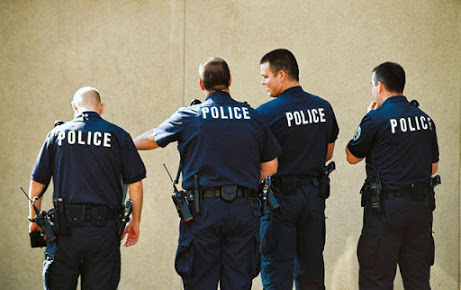
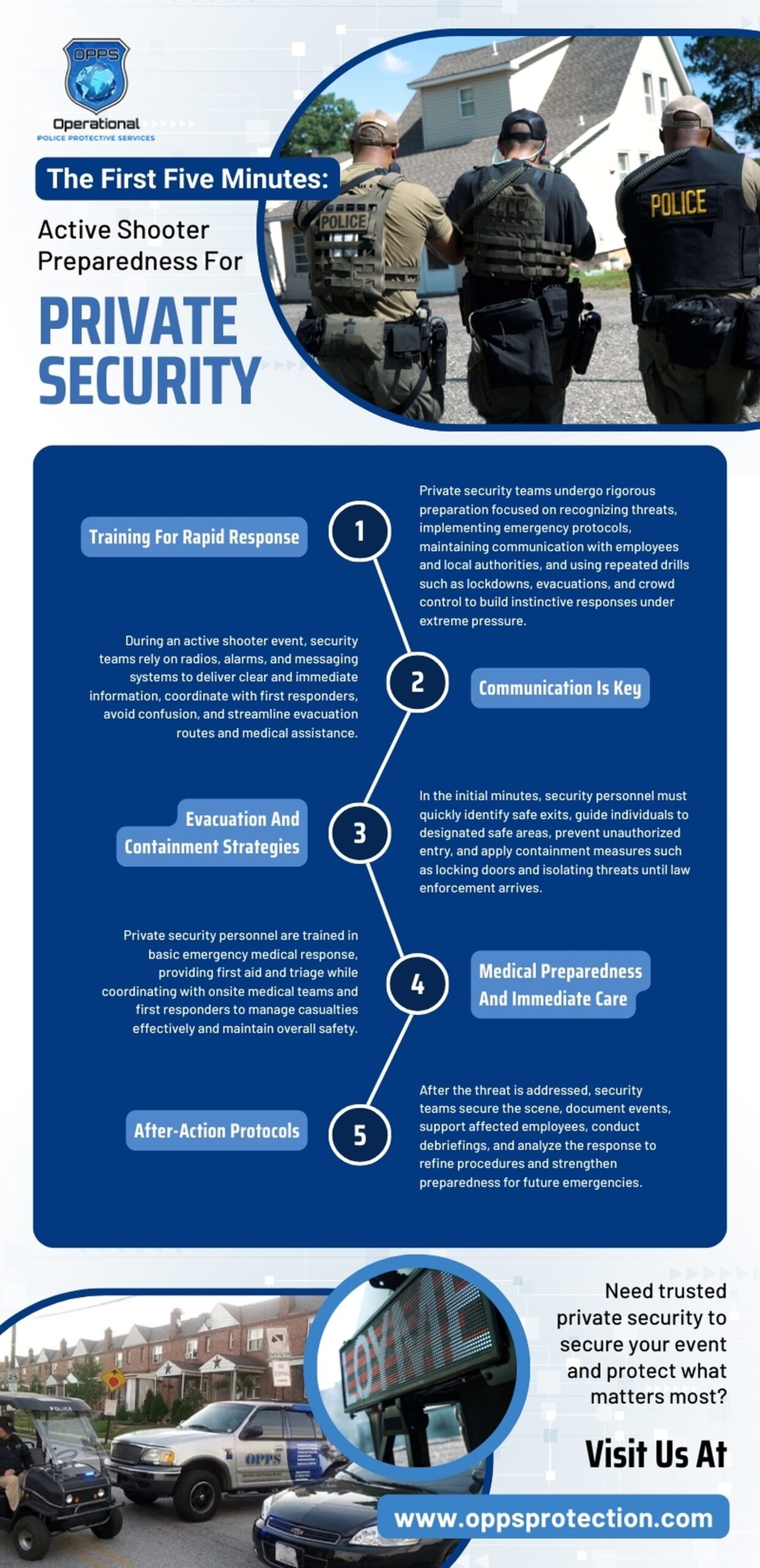
Private security teams undergo rigorous preparation to handle active shooter situations. Training focuses on recognizing threats, implementing emergency protocols, and maintaining communication with both employees and local authorities. Scenarios include lockdown procedures, evacuation planning, and crowd control techniques. Emphasizing muscle memory and repeated drills helps security personnel respond instinctively under extreme pressure.
Communication is Key
During an active shooter event, clear and immediate communication can save lives. Security teams use radios, alarms, and messaging systems to alert building occupants and coordinate with first responders. Protective services ensure that information is transmitted accurately and efficiently to avoid confusion. Pre-established communication plans help streamline evacuation routes and medical assistance coordination.
Evacuation and Containment Strategies
One of the first priorities in the initial minutes is securing and evacuating people from danger zones. Security personnel must quickly identify safe exits, guide individuals to designated safe areas, and prevent unauthorized entry into the affected space. Containment strategies, such as locking doors and isolating threats, are critical until law enforcement arrives. Training in situational assessment allows teams to make these decisions in real time.
Medical Preparedness and Immediate Care
In addition to threat neutralization, private security personnel are trained in basic emergency medical response. Providing first aid and triage during the first minutes can be lifesaving. Protective services often coordinate with onsite medical teams or first responders to manage casualties effectively, ensuring that injured individuals receive immediate attention while maintaining overall safety.
After-Action Protocols
Once the immediate threat is addressed, security teams assist in post-incident procedures. This includes securing the scene for investigators, documenting events, and supporting employees who may be traumatized. Debriefing and analyzing the response allows protective services to refine procedures, enhance training, and strengthen preparedness for future emergencies.
Conclusion: Preparedness Saves Lives
The first five minutes of an active shooter event are critical. Well-trained private security personnel serve as the first line of defense, providing rapid response, coordinated evacuation, and protective measures that save lives. Ongoing training, communication, and adherence to best practices in protective services ensure that organizations are prepared to face the unthinkable with confidence and skill.
Ensure Peace of Mind with Comprehensive Security from Operational Police Protective Services
Trust Operational Police Protective Services for reliable armed security in Maryland, Delaware, and Virginia. We provide professional off-duty police and elite protective services tailored to your needs. Contact us today to secure your event and protect what matters most.