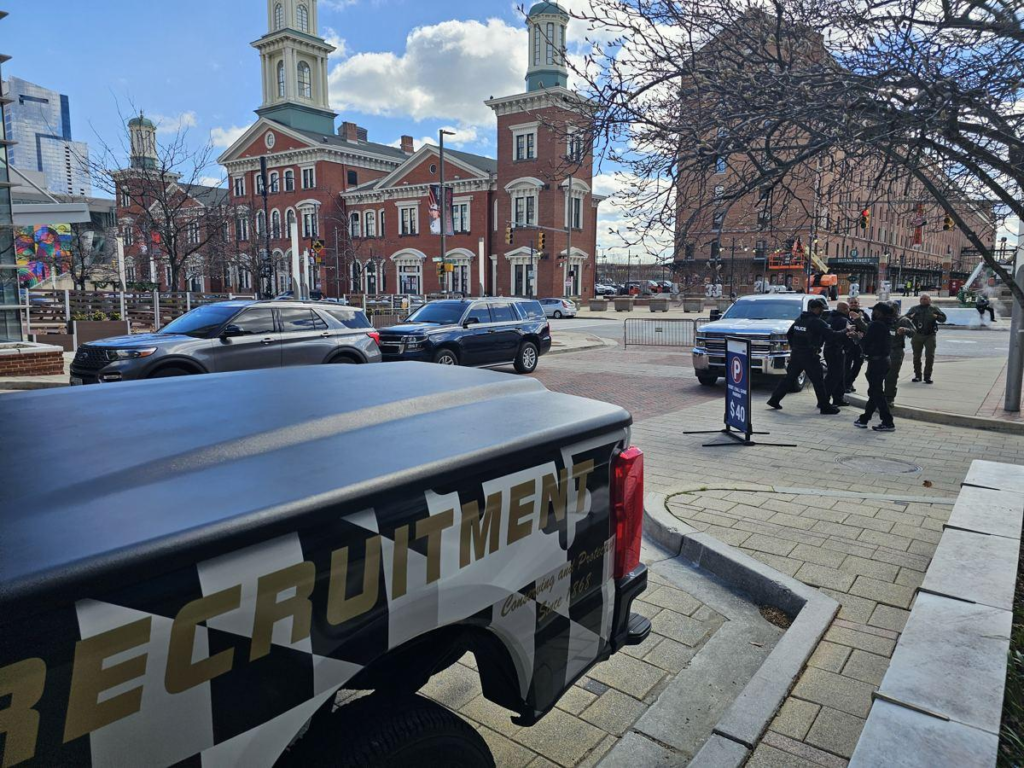
Corporate conferences often involve high-level stakeholders, sensitive information, and valuable intellectual property—all of which make them prime targets for security breaches. Whether it’s a major shareholder meeting or an industry-wide summit, the stakes are high. That’s why many organizations turn to professional event security services that deploy armed teams trained to mitigate risks before they escalate. Below are best practices that armed security teams should follow to ensure a secure and seamless event experience.
Conduct a Comprehensive Risk Assessment
Before the first guest arrives, the security team must evaluate all potential vulnerabilities. A detailed risk assessment includes analyzing the venue’s layout, entry and exit points, crowd density, speaker profiles, and the potential for protests or unauthorized intrusions. Event security services should also evaluate the digital and physical threat landscape, especially for conferences that cover sensitive topics or involve high-profile attendees.
By understanding possible risks, armed teams can strategically position personnel and surveillance, control access points, and ensure a rapid response capability.
Establish Clear Perimeter Control
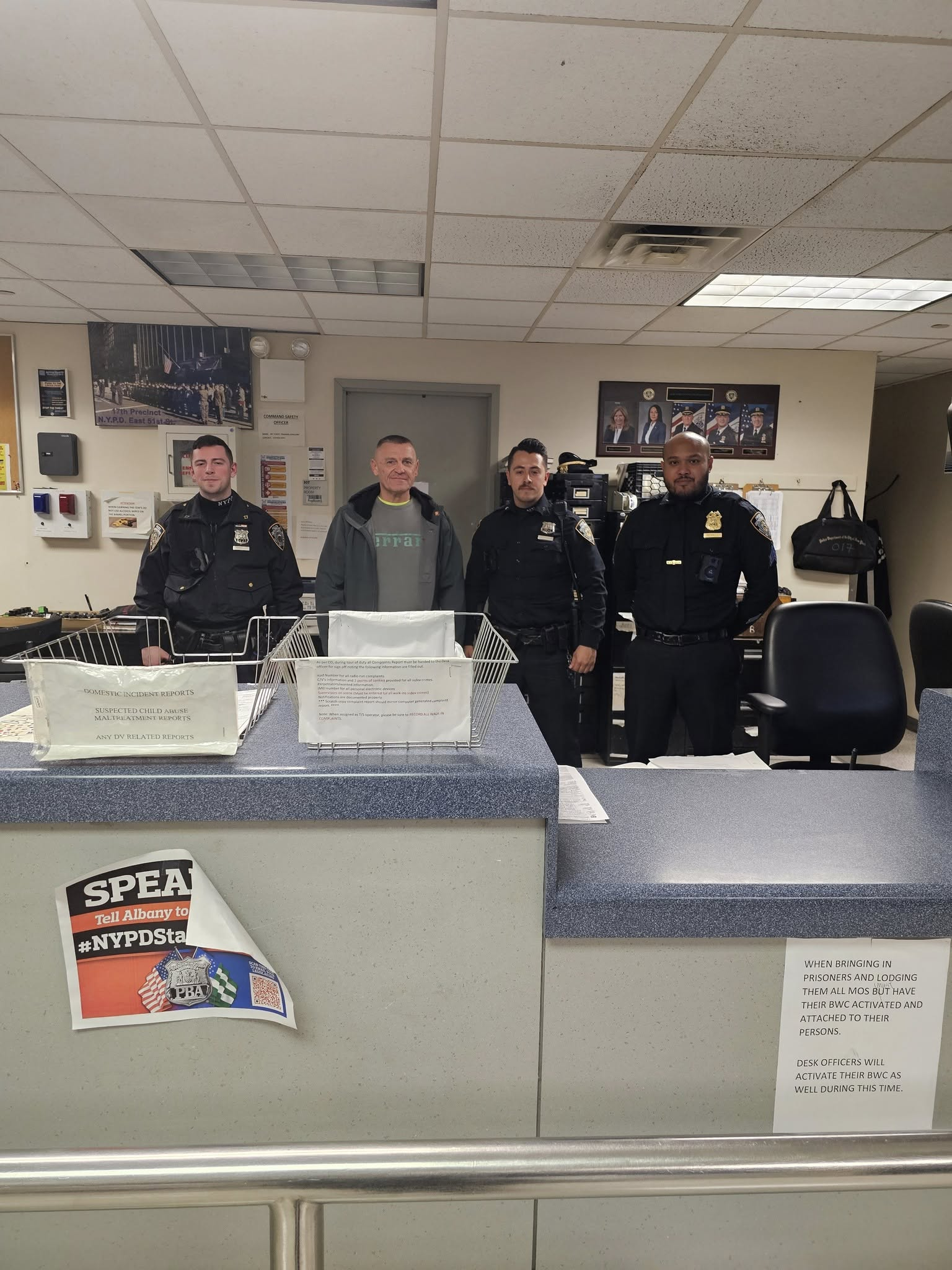
Securing the perimeter is the first physical line of defense. This includes setting up security checkpoints at all entryways with metal detectors, bag inspections, and credential verifications. Armed personnel should be stationed both visibly and covertly at high-traffic areas and potential breach points.
Event organizers should also work closely with their security team to restrict backstage and VIP areas. Armed security teams trained in event security services often implement tiered access levels to minimize the number of individuals allowed in critical zones.
Implement Layered Access Protocols
A badge alone isn’t always enough. Multi-factor authentication—such as badges plus QR codes, facial recognition, or ID verification—adds another layer of protection. Armed teams should monitor credentials actively and intercept anyone attempting to bypass security measures.
Special attention must be given to entry logs, especially in multi-day events, to prevent unauthorized reuse or replication of badges.
Coordinate with Local Authorities and Venue Staff
Armed event security services should never operate in isolation. Cooperation with local police, fire departments, and medical teams ensures a unified response in the event of an emergency. It’s also essential to coordinate with venue staff, as they know the facility layout and emergency exits better than anyone.
Holding a joint pre-event briefing allows all parties to align on communication protocols, evacuation plans, and incident response strategies.
Use Surveillance and Real-Time Monitoring
Security breaches often happen in moments of distraction. Armed teams must leverage surveillance tools like CCTV, motion sensors, and live drone feeds to maintain situational awareness. Monitoring software that provides real-time updates can help direct resources precisely when and where they’re needed.
Regular check-ins, patrols, and mobile command units help security teams adapt quickly to shifting circumstances.
Importance of Protecting Your Events
In today’s climate, securing a corporate conference is no longer a luxury—it’s a necessity. With the right combination of planning, coordination, and professional armed teams, event security services can significantly reduce the risk of security breaches and protect all stakeholders involved.
Make Your Corporate Events Safe for Everyone with Event Security from Operational Police Protective Services
Ensure peace of mind with expert event security services in Maryland. From conference security to VIP protection services, trust our team for high-profile security in Baltimore, Columbia, and beyond. Contact us today.