Smooth access control at secure port entrances depends on clarity, preparation, and accountability. Maritime facility compliance shapes how escorts manage daily movement through controlled gates while protecting operations from unnecessary delays. This work centers on verified procedures, clear communication, and calm supervision rather than visible enforcement.
When compliance is handled correctly, drivers without credentials can enter approved areas safely, schedules stay intact, and facility rules are respected. The goal is not to control people, but to guide access in a way that supports safety, trust, and consistent operations across busy port environments.
Understanding Gate Operations and Access Flow
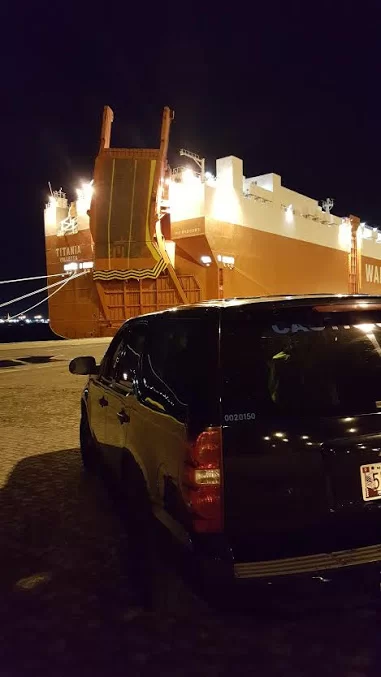
Escort professionals must read the rhythm of each gate and adjust without disrupting traffic. Port escort services rely on familiarity with entry checkpoints, container zones, and inspection lanes to keep movement steady. Escorts coordinate with gate staff, confirm documentation, and guide drivers through approved paths. This organized flow reduces confusion and prevents unauthorized access. Clear direction and calm presence help drivers feel supported, while facilities benefit from predictable, compliant entry that aligns with established access requirements.
Training Built Around Supervised Entry
Escort preparation focuses on rules, awareness, and communication rather than physical tactics. A TWIC escort is trained to accompany uncredentialed drivers, explain expectations, and ensure boundaries are followed throughout the visit. This role requires attention to surroundings, accurate reporting, and professional conduct at all times. By emphasizing supervision over intervention, escorts maintain a respectful environment that protects facilities while allowing essential work to continue without unnecessary stress or delays.
Why Calm Oversight Strengthens Port Operations
Effective access management feels steady, not restrictive. Maritime security services focused on land based operations emphasize guidance, visibility, and cooperation around gates and container areas. Escorts act as a bridge between facility rules and driver needs, reducing friction on both sides. This balanced approach keeps operations moving while maintaining required standards, proving that thoughtful supervision can deliver security without disruption.
Supporting Reliable Access Every Day
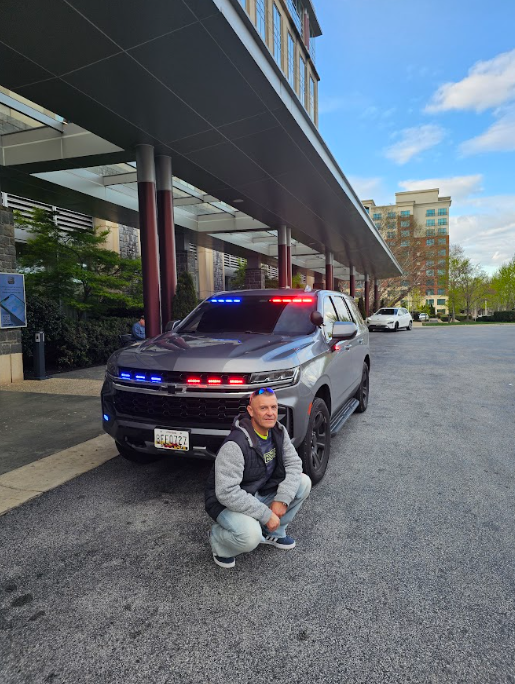
We understand that secure access must also be practical. Operational Police Protective Services supports facilities needing dependable oversight through TWIC escort services and port security services in Maryland, keeping gate operations organized and stress free. We focus on certified escorts, clear procedures, and professional communication that respects drivers and facilities alike. Our approach prioritizes smooth entry, accurate records, and consistent supervision. To discuss your specific needs and explore how we can help, reach out to our team today and experience access management built on clarity and trust.