Security challenges change dramatically once a property stretches beyond a single building. Industrial parks, logistics hubs, and warehouse districts face vulnerabilities that fixed posts simply can’t cover: long perimeters, multiple access points, and after-hours isolation. This is where tactical mobile patrols move from being a convenience to a necessity, offering coverage that’s dynamic, visible, and fast.
Unlike stationary guards, armed mobile patrol services are designed to move. They deter criminal activity through unpredictability and respond to incidents before they escalate. Here’s how their visible and mobile security presence can significantly reduce opportunistic crime in commercial and industrial zones.
Logistics at Scale: Why Mobility Matters
Large-scale properties pose logistical hurdles that demand more than foot patrols. A single warehouse district can span hundreds of acres, making response time a critical metric. Research shows that faster response times directly correlate with reduced property loss and vandalism in industrial environments.
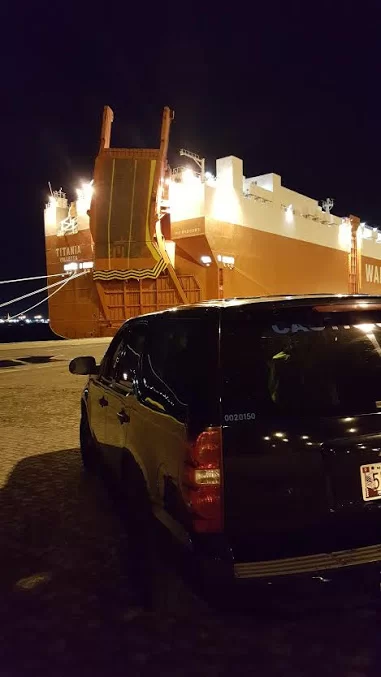
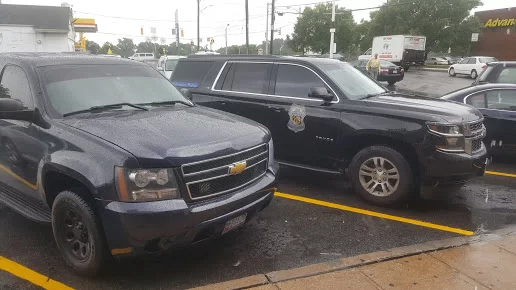
Vehicle-based patrols enable armed security officers to cover multiple zones within minutes, checking doors, gates, loading docks, and vulnerable perimeter areas.
GPS Tracking: Accountability and Precision
Modern mobile patrols rely heavily on GPS technology, not just for navigation, but for accountability. GPS tracking allows operations centers to monitor patrol routes in real time, confirm that checkpoints are being completed, and redeploy officers instantly if an alarm is triggered.
GPS-enabled patrol tracking improves operational efficiency and transparency, especially across large or multi-site properties. For property managers, this means documented proof of coverage and faster coordination during emergencies.
Rapid Response to Perimeter Alarms
Perimeter breaches remain one of the most common security threats to industrial properties. Studies note that non-residential properties experience higher rates of burglary during overnight hours, when staffing is minimal.
Mobile patrol units equipped with real-time alarm notifications can respond immediately, often arriving before law enforcement is dispatched. In many cases, trained protective services can assess and stabilize a situation until additional support arrives.

For expansive properties, tactical mobile patrols offer coverage, rapid response, and peace of mind that stationary posts simply cannot match. Leveraging vehicle-based patrols, GPS tracking, and trained personnel ensures every corner of your site is monitored efficiently.
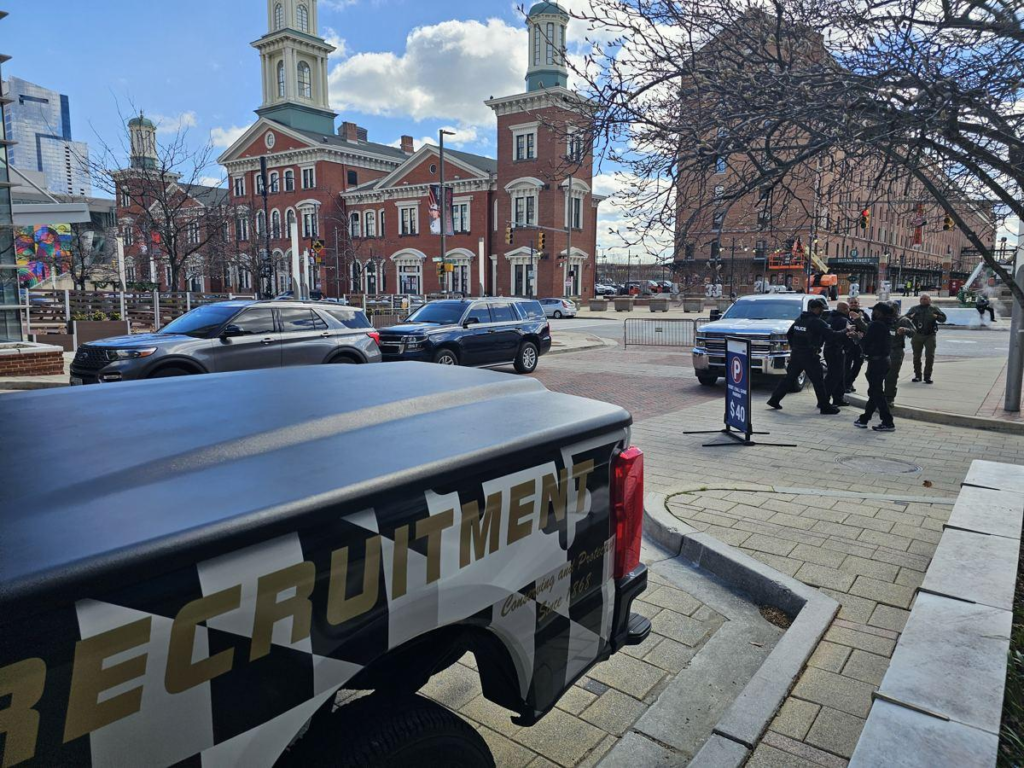
Operational Police Protective Services provides elite armed mobile patrol services, staffed by highly trained off-duty police, delivering customized protective services for industrial, warehouse, and corporate properties.
Our team combines law enforcement expertise with advanced technology to respond quickly to perimeter alarms and potential threats. Protect your assets and people with security solutions that move with your property; contact us today for a patrol strategy tailored to your needs.