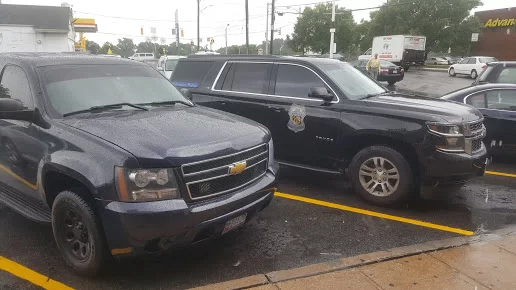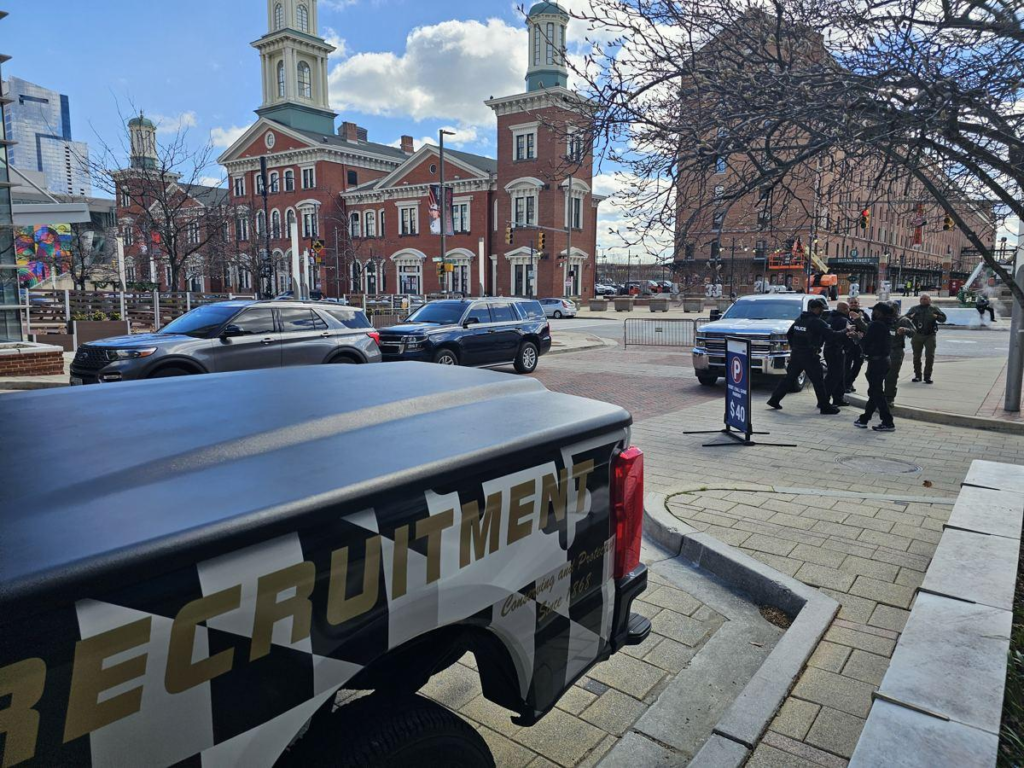
When it comes to protecting your business, choosing between unarmed and armed security is a critical decision. Both options offer valuable benefits, but the right choice depends on your specific needs, risk level, and business environment. This guide explores the differences between armed and unarmed security to help you make the most informed decision for your organization.
Understanding Armed Security
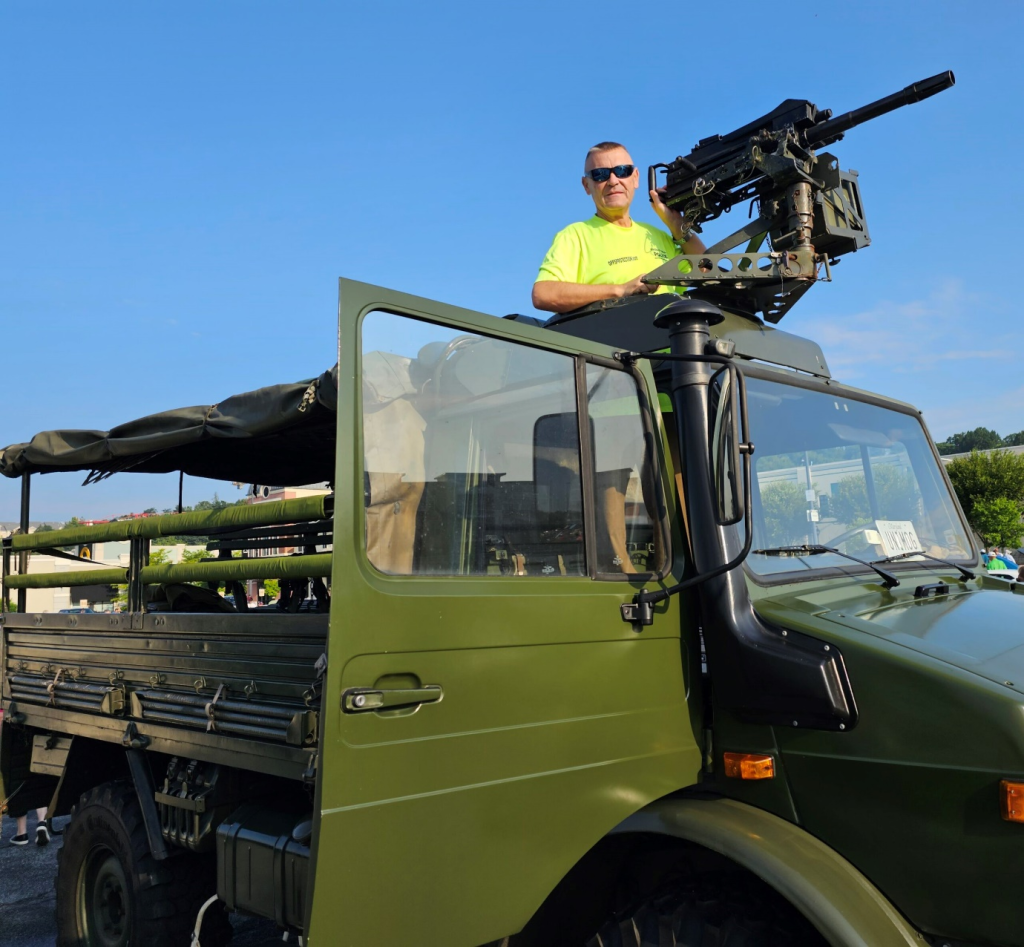
Armed security officers are trained professionals licensed to carry firearms. They are typically hired to protect businesses with high-risk profiles or those dealing with valuable assets, sensitive data, or public exposure.
Key Benefits of Armed Security:
- High Deterrence:The visible presence of armed personnel discourages criminal activity, particularly theft and violent incidents.
- Rapid Response:Armed guards are trained to act quickly in emergency situations, including armed threats or active shooter scenarios.
- Advanced Training:Most armed officers have law enforcement or military backgrounds, providing them with tactical training in high-pressure environments.
Best Suited For:
- Financial institutions
- Jewelry stores and high-end retailers
- Government facilities
- Events with VIP attendees
- Cannabis dispensaries or pharmaceuticals
- Businesses in high-crime areas
However, armed security can be more costly and may create an atmosphere of heightened tension if not implemented properly.
Understanding Unarmed Security
Unarmed security officers do not carry firearms but are trained in conflict resolution, observation, and access control. They are ideal for businesses looking to maintain a welcoming yet secure presence.
Key Benefits of Unarmed Security:
- Lower Cost:Generally more affordable than armed services.
- Customer-Friendly Presence:Less intimidating and better suited for environments where customer interaction is key.
- Versatility:Trained in de-escalation, emergency response, crowd control, and incident reporting.
Best Suited For:
- Retail stores
- Office buildings
- Residential complexes
- Schools and universities
- Hospitality venues
- Construction sites
Unarmed guards can still provide robust protection, especially when paired with surveillance systems and strict access controls.
Factors to Consider When Choosing
- Risk Level:Consider the likelihood of armed threats or theft. If your business deals in cash or valuables, armed security may be necessary.
- Location:Businesses in high-crime areas may benefit from armed protection, while those in low-risk environments might do well with unarmed officers.
- Public Perception:A calm, welcoming presence may be more appropriate for customer-facing businesses.
- Budget:Armed guards typically come with higher costs due to licensing, training, and insurance requirements.
- Insurance and Compliance:Some industries may require a specific level of security based on regulations or insurance policies.
Conclusion
The decision between armed and unarmed security comes down to balancing your risk exposure, customer experience, and budget. Both play crucial roles in protecting people, property, and peace of mind. Consulting with a professional security provider can help you assess your business’s unique needs and choose the right level of protection.
Protect Your Business The Right Way with Operational Police Protective Services
Operational Police Protective Services proudly offers armed security solutions throughout Maryland, Virginia, and Delaware, tailored to your business environment and security goals. Contact us now for more details.