Cybercrime gets most of the attention in banking security conversations, but a branch lobby, a drive-through, and an after-hours vestibule still face real physical security threats that no firewall touches. For the fuller picture of how OPPS staffs high-risk sites, see our guide to armed security guards.
Robbery and In-Person Fraud Still Happen at the Counter
A branch robbery unfolds in seconds, and the officers on-site are often the only line of defense between a demand note and an actual loss. Beyond robbery itself, in-person fraud, such as a forged check or a stolen identity presented at the teller line, still requires a trained eye watching the floor, not just a camera recording the transaction.
Resources from the American Bankers Association continue to list a visible, trained security presence as one of the most effective deterrents against branch-level crime, alongside the technology controls most institutions have already invested in.
Officers trained specifically for a branch environment also know how to spot the early behavioral signs of an in-progress robbery before it fully develops, which changes the outcome far more than a response that only kicks in once a demand note is already on the counter.
After-Hours Break-Ins and ATM Vulnerabilities
Once the branch closes, the risk shifts to the building itself and any standalone ATMs on the property. Forced entry, ATM tampering, and vandalism all concentrate in the hours when a branch is least staffed, which is exactly when a documented overnight patrol makes the biggest difference.
Standalone ATMs in a parking lot or a strip mall vestibule carry their own risk separate from the main branch, since they often sit unmonitored for long stretches. Skimming devices, physical tampering, and after-hours loitering all show up more at these unattended locations than at a staffed branch.
Night deposit boxes present a similar gap. A business owner making a late deposit is a predictable, recurring target, and a documented patrol schedule timed around those routines closes a vulnerability most branches never think to plan around.
Multi-branch institutions benefit from coordinating patrol schedules across locations rather than treating each branch as its own isolated contract. A shared rotation gives every location the same baseline coverage without any single branch carrying the cost alone.
Secure Your Branch With a Trained Security Team
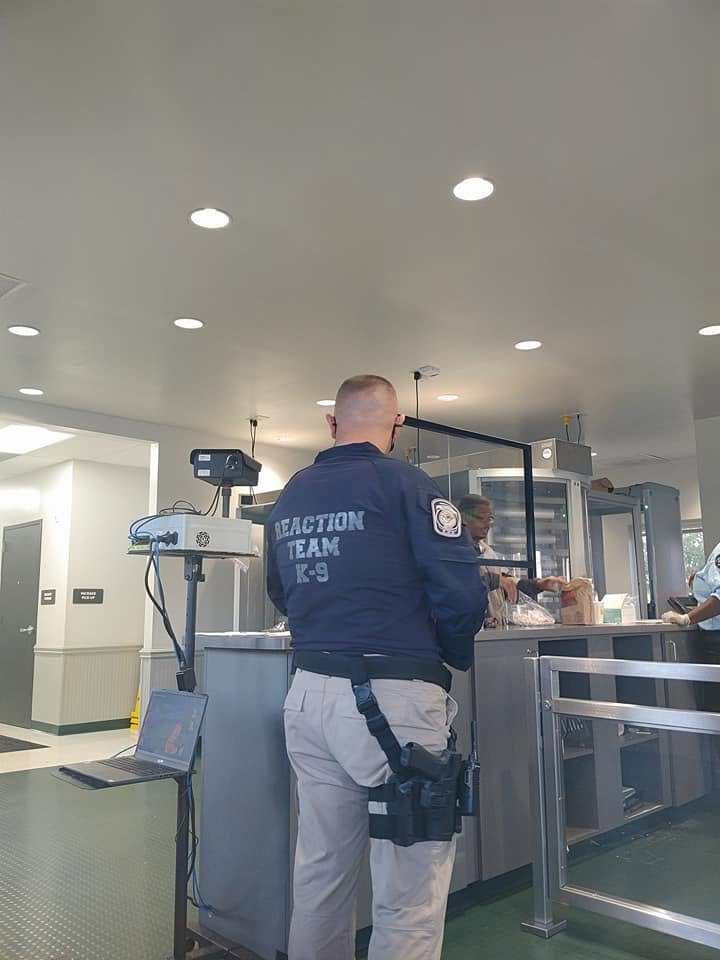
A financial institution’s exposure runs well past its digital systems, and the physical side deserves the same level of planning. We staff bank security services built around branch-specific risk, matching armed bank security guards to lobby hours, drive-through traffic, and after-hours coverage, backed by the same financial institution security standards behind every detail we staff across Maryland and Virginia.
Contact us to schedule a branch security review, or learn more about Operational Police Protective Services.