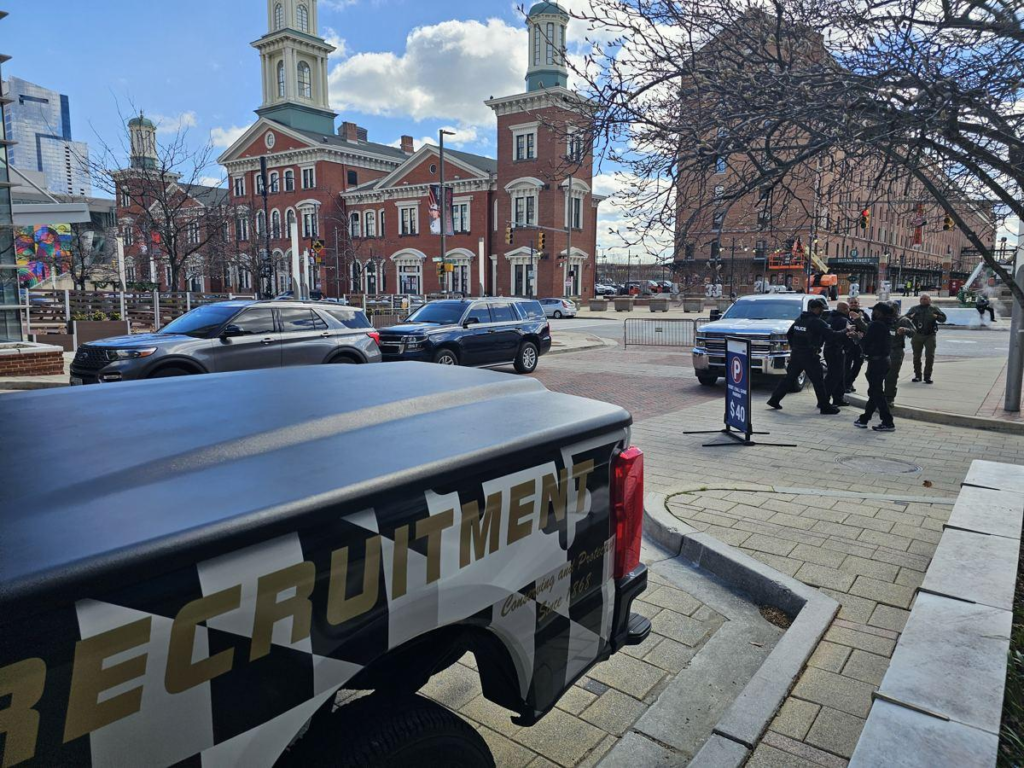
A visible bodyguard standing behind a client is the version of executive protection services most people picture, but the real work happens long before that person ever steps into a room. A protective detail is built from threat assessments, advance planning, and route coordination that most clients never see, which is exactly the point.
What Executive Protection Actually Covers
Executive protection is broader than a single bodyguard following a client from meeting to meeting. A full program covers residential security, travel coordination, event planning, and a communication chain that keeps every piece connected, so the protective team knows a client’s schedule as well as the client does.
Corporate clients typically need coverage built around a predictable schedule of offices, board meetings, and public appearances. Private clients often need something more flexible, built around a family’s actual daily movements rather than a fixed corporate calendar.
A program also has to account for the gap between a client’s public schedule and their actual movements, since the two rarely match exactly. A last-minute change to a meeting location or a spontaneous stop on the way home is where an unprepared team gets caught flat-footed, which is why a protective plan is built around flexible coverage rather than a fixed itinerary alone.
Threat Assessments: The Foundation of Every Detail
Every protective program starts with a threat assessment, not a staffing plan. A team reviews a client’s public exposure, any specific threats or concerning contacts, and the physical layout of the places that client visits regularly, before deciding what kind of coverage actually makes sense.
Guidance from ASIS International frames this assessment step as the difference between a protective program built around a client’s actual risk profile and one built around a generic template, and that distinction shows up immediately in how a detail is staffed and equipped.
A thorough assessment also looks past the client to the people around them: an assistant with access to a calendar, a contractor who regularly visits a property, or a former employee with a grievance. Threats rarely come from a stranger with no connection to the client, and an assessment that only screens for outside risk misses where most real incidents actually originate.
Advance Work and Route Planning
An advance team visits a destination before the client arrives, checking entrances, exits, parking, and any choke points along the route. That groundwork is what makes a detail look effortless in the moment, since every contingency has already been mapped before anyone steps out of the vehicle.
A good advance visit also builds a relationship with venue staff and local law enforcement before it’s needed. Knowing who to call at a hotel, a conference center, or a restaurant if a plan changes at the last minute turns a potential scramble into a quick phone call, and that groundwork only happens when advance work is treated as standard practice rather than an optional extra for high-profile stops.

Travel Security for Corporate and Private Clients
Air travel adds its own layer of coordination. A protective team tracks flight changes, coordinates with private aviation staff, and plans ground transportation on both ends of a trip, so a client moves from a boardroom to a departure gate without a gap in coverage anywhere along the way.
International travel raises the stakes further, since a protective team needs local knowledge of the destination, not just the client’s home turf. That’s why many corporate programs work with a provider who has relationships across multiple regions rather than a single local contract.

Coordinating Aviation and Ground Transportation
A protective team that also understands aviation logistics closes a gap most standard security contracts leave open. Knowing how to coordinate with a fixed-base operator, track a flight’s status in real time, and stage ground transportation to match an actual arrival window, rather than a published schedule, is what keeps a travel day moving without a single unplanned stop.
Aerial Support for Large-Footprint Details
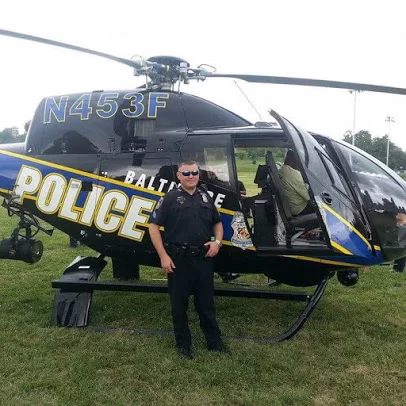
Large events, stadium visits, and multi-vehicle motorcades sometimes call for coverage a ground team alone can’t provide. A helicopter gives a protective team real-time overwatch of a route or venue perimeter, which is difficult to replicate from street level, especially when a site spans several city blocks or an entire campus.
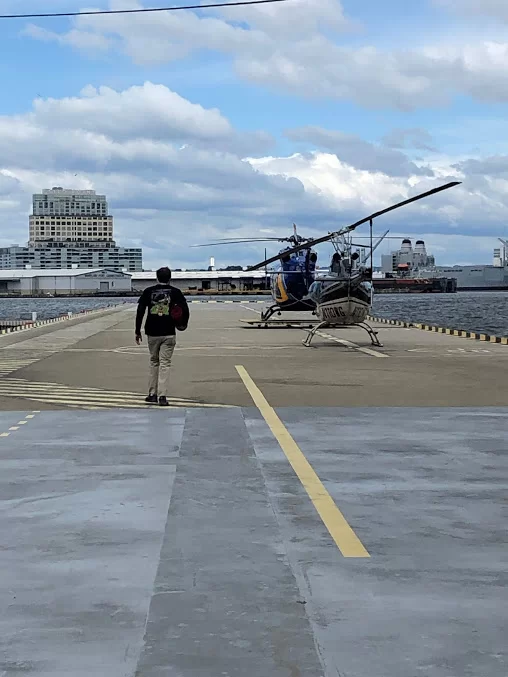
That same aerial view is what lets a team confirm a route is clear before a motorcade commits to it, or spot a developing crowd issue near a stadium entrance before it becomes a problem for the officers working the ground level.
Residential and Family Protection
For private clients, home is often the highest-value target simply because it’s predictable. A residential protective plan covers perimeter monitoring, staff coordination, and a screening process for anyone who isn’t part of the household’s regular routine, built around the family’s actual patterns rather than a generic checklist.
High-net-worth families in particular benefit from a protective team that coordinates directly with household staff, since a nanny, a driver, or a housekeeper who isn’t looped into the security plan can unintentionally create the exact gap the plan was built to close.
Children add a layer of planning most residential programs have to account for separately. School drop-off and pickup, extracurricular activities, and playdates at other families’ homes all fall outside a controlled residential perimeter, and a program built only around the primary residence leaves that part of a family’s week uncovered.
Off-Duty Police Officers vs. Traditional Bodyguards
Not every protective officer has the same background, and that difference matters more than most clients realize when comparing providers. An off-duty or retired police officer typically brings years of real de-escalation experience, legal knowledge of use-of-force standards, and comfort working directly with local law enforcement if a situation actually escalates, rather than training built entirely around a classroom scenario.
A traditional bodyguard without that law enforcement background can still be a capable, well-trained professional, but the working relationship with police, courts, and public agencies that a former officer already has is difficult to replicate through training alone. For clients whose risk profile includes public appearances, protests, or high-conflict situations, that distinction often decides which type of officer actually belongs on the detail.
The best protective programs often blend both backgrounds rather than choosing one exclusively. A former officer anchoring the detail alongside close-protection specialists trained in executive travel and residential coverage gives a client the law enforcement relationships and the day-to-day polish that a purely corporate-style team sometimes lacks.
What Executive Protection Typically Costs
Pricing varies widely because the coverage itself varies widely. A single close-protection officer covering a business traveler for a few days costs far less than a full residential and travel program running around the clock for a family, and neither number tells a client much without understanding what’s actually included.
The factors that move the price most are headcount, hours of coverage, and whether the program includes advance work and aviation coordination or just a driver and a close-protection officer. A client comparing quotes should ask exactly what’s covered in each line item, since a lower number often means a scaled-back program rather than a better deal.
It’s also worth asking whether pricing is structured around a fixed monthly retainer or billed hourly against actual coverage used. A retainer gives a client predictable budgeting and priority access to the team on short notice, while hourly billing can work better for a client who only needs coverage around specific, scheduled events rather than year-round protection.
Public Appearances and Event Security
A public appearance is the moment a protective team’s advance work gets tested in real time. Crowd assessment, credential checks, and a clear exit route all have to be in place before a client ever steps on stage, and venue safety planning guidance consistently points to that pre-event coordination as the single biggest factor in how smoothly a public appearance actually goes.

Building a Protective Team That Fits the Client
Team size and composition should match the client, not the other way around. Some clients need a single close-protection officer who can blend into a business setting. Others need a full detail with advance, driving, and residential coverage running simultaneously. A provider who defaults to one standard package for every client hasn’t actually built a protective program.
The right team also flexes with the calendar. A client’s coverage needs during a quiet stretch of routine office days look nothing like what’s required during a public product launch or an earnings call that draws media attention, and a provider who can scale a detail up or down on short notice saves a client from paying for maximum coverage every single day of the year.
What to Look for in an Executive Protection Provider
Look for a provider whose officers carry real law enforcement or protective experience, not just a standard guard card. Ask how threat assessments are conducted, how often a protective plan gets reviewed and updated, and whether the same team stays assigned to a client over time, since continuity is what makes a protective detail actually effective rather than just present.
Also ask what assets a provider can bring to a detail beyond ground personnel. A provider who can stage aerial support, coordinate with aviation staff, and brief a full protective team from the same operations center brings a level of coordination a patchwork of subcontractors can’t match.
Common Mistakes Clients Make When Choosing a Provider
The most common mistake is treating executive protection as a commodity and shopping purely on price. A cut-rate quote almost always means fewer trained hours, less advance work, or officers without the law enforcement background that matters most when something actually goes wrong, and that gap only becomes visible during an incident, which is the worst possible time to find out.
Another frequent misstep is waiting until after a specific threat surfaces to start a protective program. Building a relationship with a provider, running an initial threat assessment, and establishing baseline coverage before a crisis hits gives a team the context they need to respond quickly, rather than starting from zero exactly when speed matters most.
A third mistake is underestimating how much continuity matters. A protective detail that rotates through unfamiliar officers every few weeks never builds the situational knowledge that makes a team effective, and clients who prioritize a consistent, dedicated team over a slightly lower rate consistently report a better experience with their coverage.
A final mistake worth naming is skipping the reference check. A provider who can produce actual client references, ideally from a similar industry or a comparable risk profile, has a track record worth verifying. A provider who can’t, or who deflects the request, is asking a client to take their capabilities on faith alone, and that’s not a reasonable ask when the stakes are a client’s own safety.
Build an Executive Protection Program With OPPS
A protective program is only as strong as the planning behind it, and that planning is where executive protection decisions actually get made. We build personal protection services programs for corporate and private clients across Maryland, Virginia, and the broader East Coast, matching threat assessments, travel coordination, and residential coverage to each client’s actual exposure, backed by the same corporate security services standards behind every detail we staff.
Contact us to discuss a protective program for your team or family, or see the full range of services from Operational Police Protective Services.