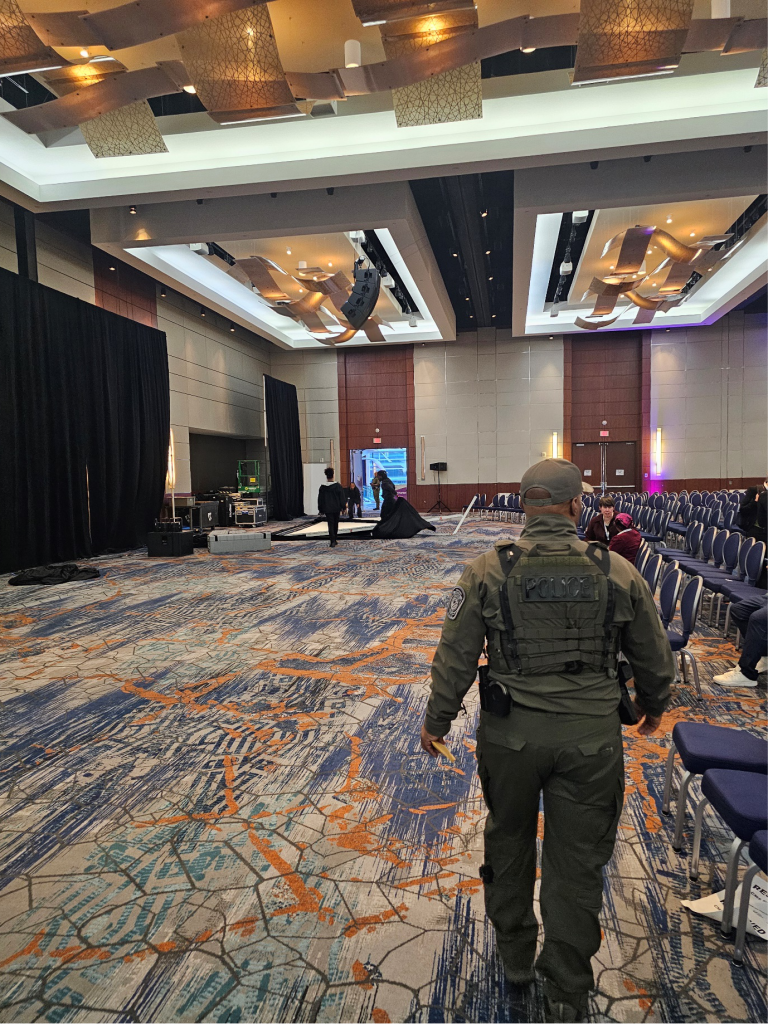
When a retail chain gets hit by an organized theft ring, or a concert venue needs someone who can make an actual arrest if a fight breaks out, a standard guard working off a checklist usually isn’t enough. That’s why so many Maryland and Virginia businesses now hire off-duty police officers instead of, or alongside, unarmed security staff. We built our off-duty police officers program around exactly that gap: sworn authority, real law enforcement training, and a badge that changes how people behave the moment they see it.
This guide walks through when businesses actually need that level of coverage, how the legal distinction between an officer and a standard security guard affects what each can do, what off-duty police coverage costs, and what separates a professional program from an ad hoc one. If you’re weighing whether your event, retail location, or facility needs uniformed law enforcement rather than an unarmed guard, here’s what to look at first.
Off-Duty Police Officers vs. Standard Security Guards: The Legal Difference
The difference isn’t just a uniform. A sworn officer working an off-duty detail typically retains their police powers within the jurisdiction that certifies them, meaning they can make an arrest, detain a suspect under statute rather than a citizen’s arrest, and call for backup through their own department’s dispatch instead of waiting on 911 like everyone else on-site.
A standard unarmed guard, by contrast, operates under roughly the same legal authority as any other private citizen. They can observe, report, and in many states perform a citizen’s arrest, but they can’t invoke police authority, and most jurisdictions limit how far they can physically intervene before it becomes a liability question for the business that hired them. That gap matters most when something actually goes wrong. A theft ring, a fight that turns violent, or a trespasser who won’t leave puts a business in a very different position depending on whether the person responding can legally act like police or only like a witness with a radio.
When a Business Actually Needs Off-Duty Police Coverage
Not every property needs a sworn officer standing at the door. Coverage decisions usually come down to three questions: how much cash or high-value inventory is on-site, how large and unpredictable the crowd is, and what the business’s own risk history looks like.
Retail locations with a documented shrink problem, financial institutions, construction sites carrying expensive equipment, and any venue expecting more than a few hundred people at once are the clearest candidates. So are businesses that already had an incident, since insurers increasingly ask what changed afterward.
Facility managers and event planners weighing this decision should also factor in how fast a real threat needs a real response. An unarmed guard can call police and wait. An off-duty officer already has the authority, the radio, and often a working relationship with the responding patrol unit to shorten that gap to seconds instead of minutes.
Event Coverage: Concerts, Fairs, and Private Functions
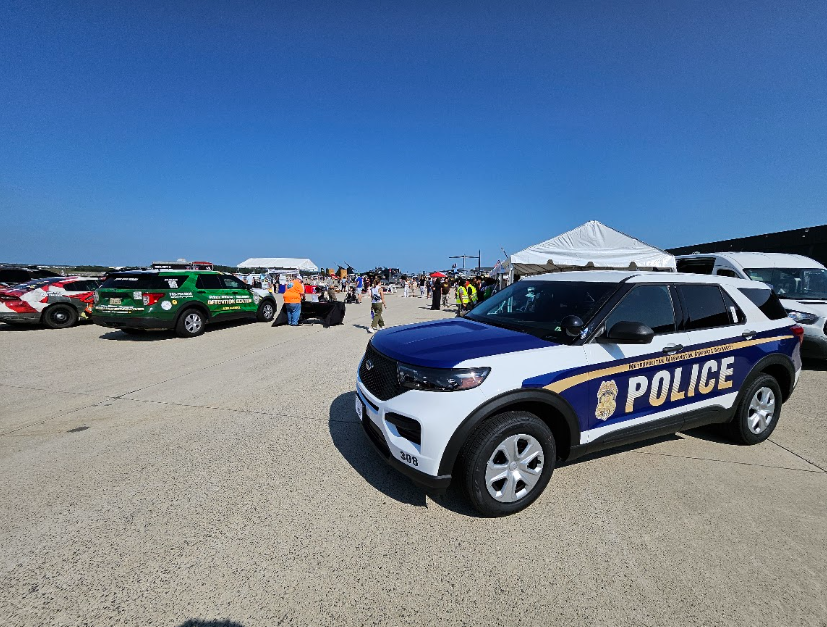
Large events are where the difference between a guard and a sworn officer shows up fastest. A concert, a fair, or a private function with alcohol involved can turn from routine to chaotic in the time it takes a guard to radio for police backup that then has to drive across town.
We staff off-duty officers at these events specifically because they can manage a crowd, check credentials at a gate, and physically step in if a situation escalates, all without waiting for outside law enforcement to arrive. That authority also changes behavior before anything happens; a visible officer’s uniform reads differently to a crowd than a rent-a-cop vest does, and organizers consistently report fewer incidents simply because people self-regulate around it.
Venue managers planning event security staffing should also plan ratios around entry points, not just square footage, since most incidents start at a gate or a bar rather than in the middle of a crowd. Groups like the International Association of Venue Managers publish staffing benchmarks worth comparing against whatever a provider proposes.
Retail and Commercial Patrols That Actually Deter Theft
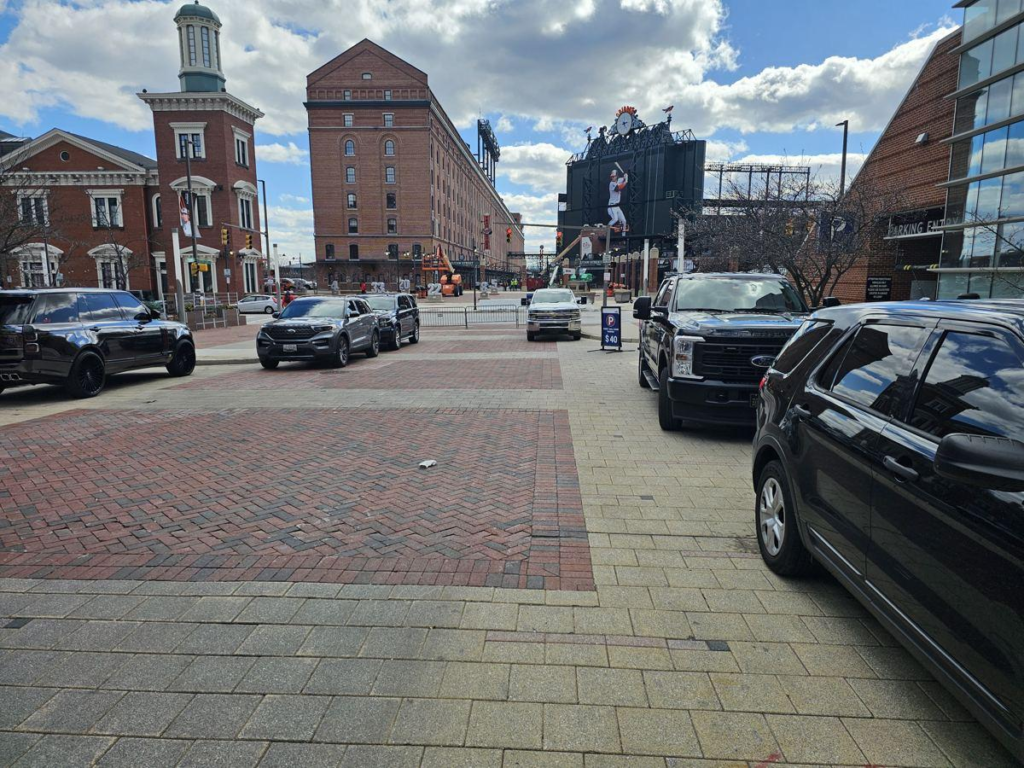
Organized retail crime rings scout for exactly one thing: an unarmed guard who can watch but not act. A uniformed off-duty officer removes that calculation, because a suspect knows the person watching the exit can legally stop them, not just call it in.
Commercial patrols work the same way at a broader scale. A single off-duty officer rotating through several retail units in a shopping center, or walking a commercial corridor on a fixed schedule, gives a property owner coverage they couldn’t justify individually, at a fraction of what one full-time officer per storefront would cost. Loss prevention teams that already run cameras and floor staff still benefit from adding a sworn presence, since internal staff can flag a shoplifter but usually can’t detain them without real legal exposure. An officer closes that last step.
What Off-Duty Police Officers Can (and Can’t) Do on a Private Detail
Authority off-duty isn’t unlimited. Most departments require officers to follow specific rules for outside employment: they can typically make arrests and use their police powers on the property they’re detailed to, but they’re still bound by the same use-of-force policy and reporting requirements as when they’re on shift.
Businesses hiring off-duty officers should ask upfront whether the department requires its own approval process for the detail, since some agencies vet the location and hours before an officer can accept the assignment. That approval process is actually a benefit for the business, since it means the officer assigned is one the department has already cleared for that kind of work.
What officers generally cannot do is act outside the geographic or contractual scope of the detail, meaning an officer hired to cover a parking lot isn’t automatically authorized to intervene in an unrelated incident down the street.
Vetting, Training, and Credential Standards to Look For
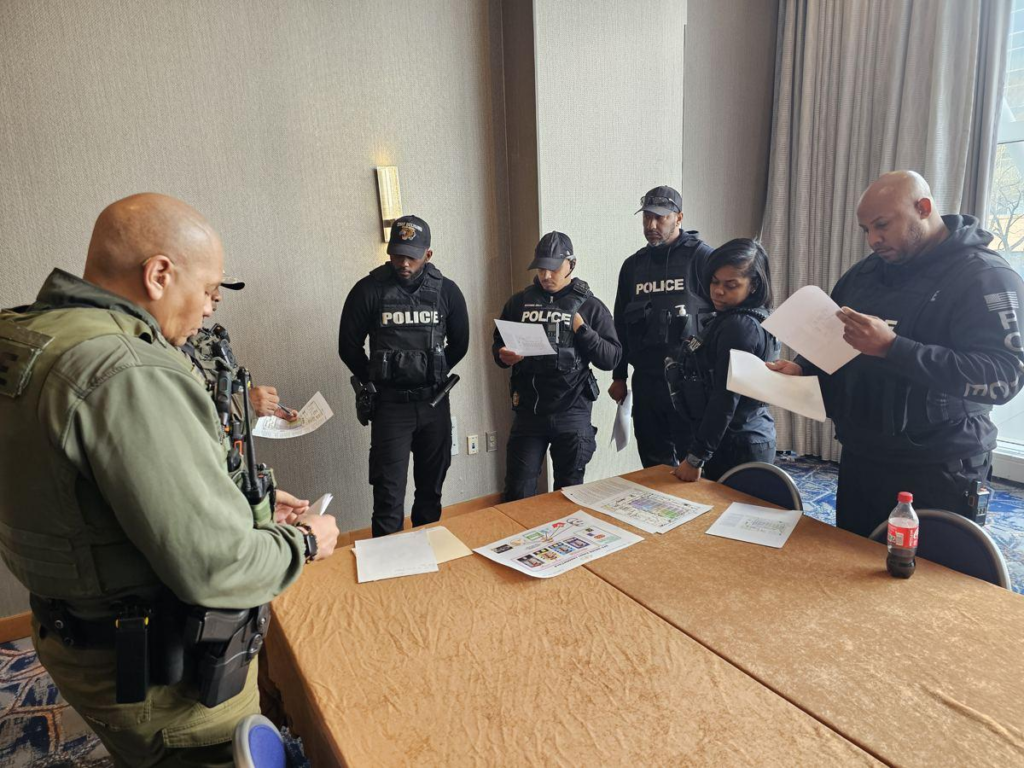
Not every off-duty officer program vets the same way. A serious provider staffs current or recently retired members of federal, state, and local agencies, confirms their standing with the department they came from, and verifies they’re carrying active certification, not a lapsed one.
Look for a provider that documents de-escalation training, physical security procedures, and emergency response protocols as part of onboarding, not just prior law enforcement experience listed on a resume. Years on the force build situational awareness, but a professional detail still needs the officer briefed on the specific property, its layout, and its emergency plan before the first shift.
Credentials worth asking about include affiliation with recognized law enforcement organizations, Better Business Bureau accreditation, and whether the company is bonded and insured for private security work through a body like ASIS International. A provider that can’t answer those questions directly is one worth being cautious about.
How Staffing and Scheduling Actually Works
Booking an off-duty detail typically starts with a scope conversation: how many hours, how many officers, what the site looks like, and whether the assignment needs a marked presence or something less visible. From there, a provider matches officers based on jurisdiction, availability, and relevant experience, since an officer used to retail patrols isn’t necessarily the right fit for a construction site or a hospital floor.
Recurring assignments, like a weekly retail patrol or standing event coverage, usually get a dedicated officer or small rotating team so the business isn’t re-explaining its layout and expectations every shift. One-off events need lead time, particularly around holidays and large public gatherings, when officer availability tightens across every agency in a region.
Most providers can also scale a detail up quickly if a threat level changes, adding officers to an existing assignment rather than starting a new contract from scratch.
What Off-Duty Police Coverage Costs and How to Budget for It
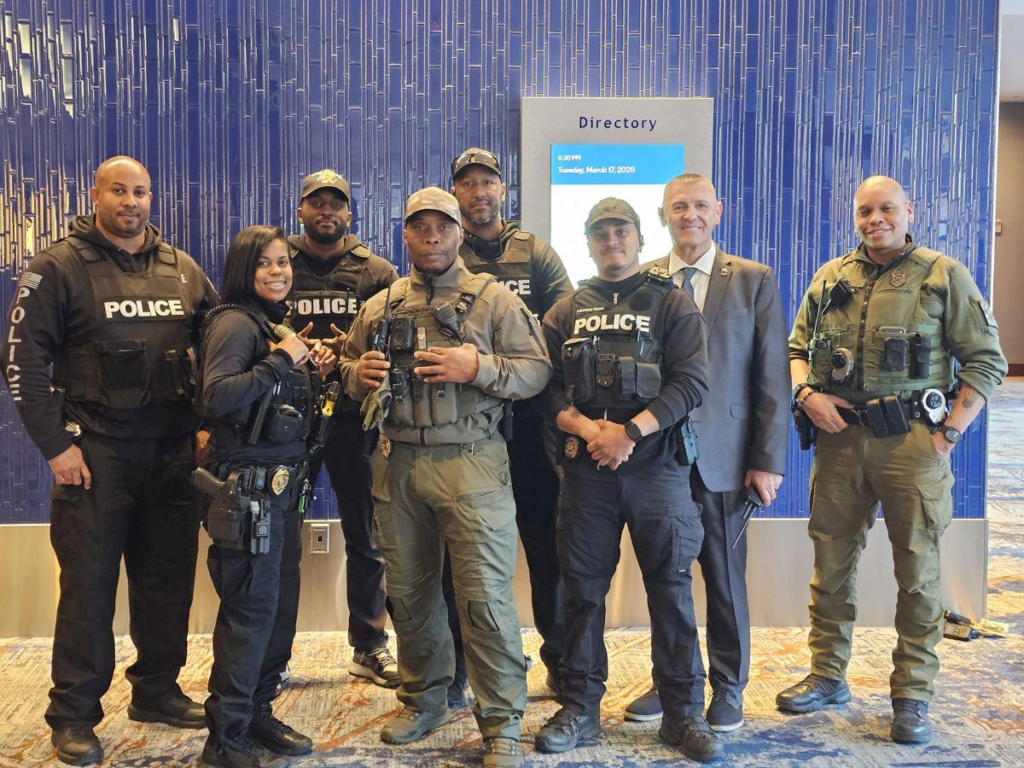
Off-duty police rates run higher than an unarmed guard, and for good reason: the business is paying for real arrest authority, department-backed accountability, and years of law enforcement training, not just a uniform. Rates typically vary by jurisdiction, time of day, and whether the assignment requires a marked vehicle or specialized equipment.
The more useful comparison isn’t officer cost against guard cost; it’s officer cost against the cost of a single serious incident. A retail theft ring left unchecked, a violent altercation at an unmonitored event, or an after-hours break-in at a financial institution routinely costs a business far more than a season of coverage would have.
Budgeting for off-duty police also means budgeting the right hours, not just the cheapest ones. A four-hour block covering only closing time misses whatever unfolds earlier in the day, and businesses often underspend on hours before they realize where their actual risk window sits.
Industries That Rely on Off-Duty Police Officers Most

Certain industries book off-duty police coverage as a standing part of operations rather than a one-time decision. Schools use it for after-hours events, athletic games, and graduation ceremonies where crowd size and emotion both run high. Healthcare facilities lean on it for emergency departments, where patient and visitor altercations happen more often than most people realize.
Financial institutions and government buildings both carry a risk profile- cash, sensitive records, public access- that makes a sworn presence close to standard practice rather than an upgrade. Construction sites facing repeated equipment theft, and businesses hosting high-profile or VIP visitors, round out the list of industries where off-duty officers show up most consistently.
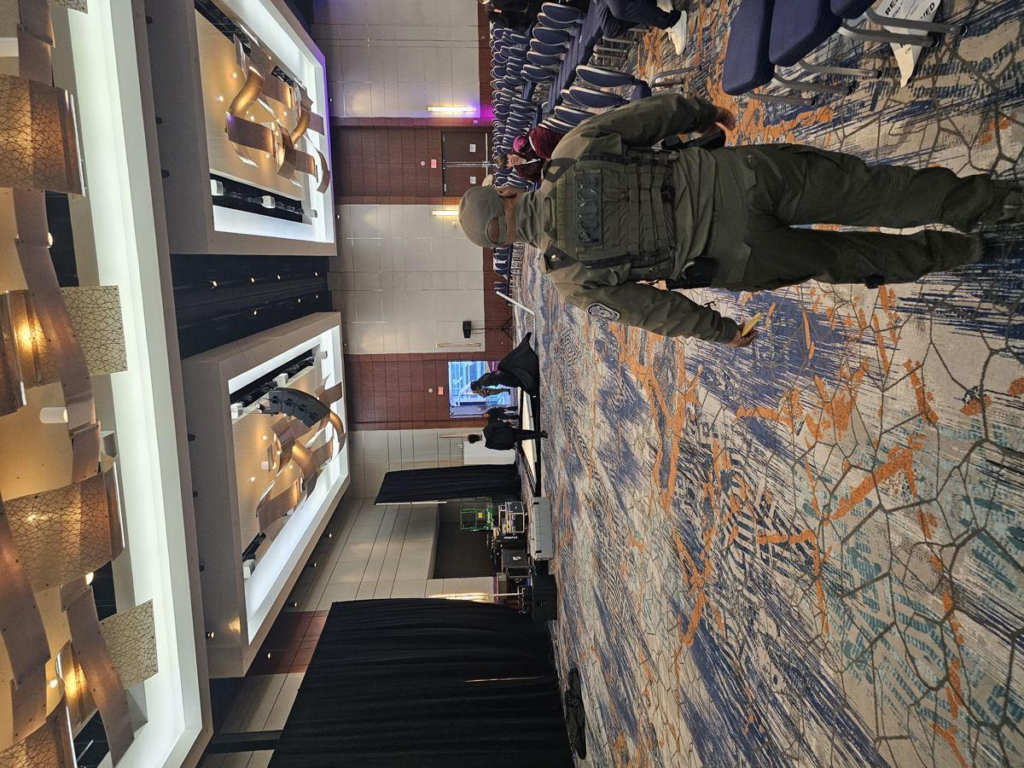
What connects all of them is exposure: a location that’s either high-value, high-traffic, or both, and where the cost of getting a response wrong is measured in more than a delayed phone call to 911.
Choosing an Off-Duty Police Officers Provider You Can Actually Rely On
The right provider comes down to a few concrete checks: current agency standing, documented training, transparent scheduling, and a track record with businesses like yours. A company that can walk you through exactly how officers are vetted and matched to an assignment is one worth trusting with a detail that actually matters.
We staff off-duty police officers for hire across Maryland, Virginia, and the broader East Coast, matching businesses with officers who already have the training, the authority, and the judgment a serious detail requires. Whether you need standing retail patrols, one-time event coverage, or a licensed security company ready to scale a detail on short notice, our team builds the assignment around your actual risk instead of a generic package, backed by the full range of our security guard services.
Contact us today to schedule a consultation, or learn more about Operational Police Protective Services and the East Coast businesses we already protect.